
Uncategorized
How Much Are Liquidation Pallets?
If you are asking how much are liquidation pallets, the real answer starts with one fact: pallet pricing can range from a few hundred dollars to several thousand, depending on category, condition, brand mix, and load quality. A small mixed returns pallet might start around $300 to $500, while branded electronics, sneakers, tools, or high-demand general merchandise pallets can move much higher. Buyers who understand the pricing logic usually make better margin decisions and avoid paying retail-style prices for wholesale inventory. Knowing how much are liquidation pallets can greatly influence purchasing decisions.
For resellers, pallet cost is not just about the sticker price. It is about what is inside, how consistent the inventory is, what condition the goods are in, and how much room is left for profit after freight, sorting, testing, and resale. That is where smart buying begins.
Understanding how much are liquidation pallets helps resellers gauge the potential profit margins. Many resellers consider not just the cost, but also what they can make by flipping these pallets.
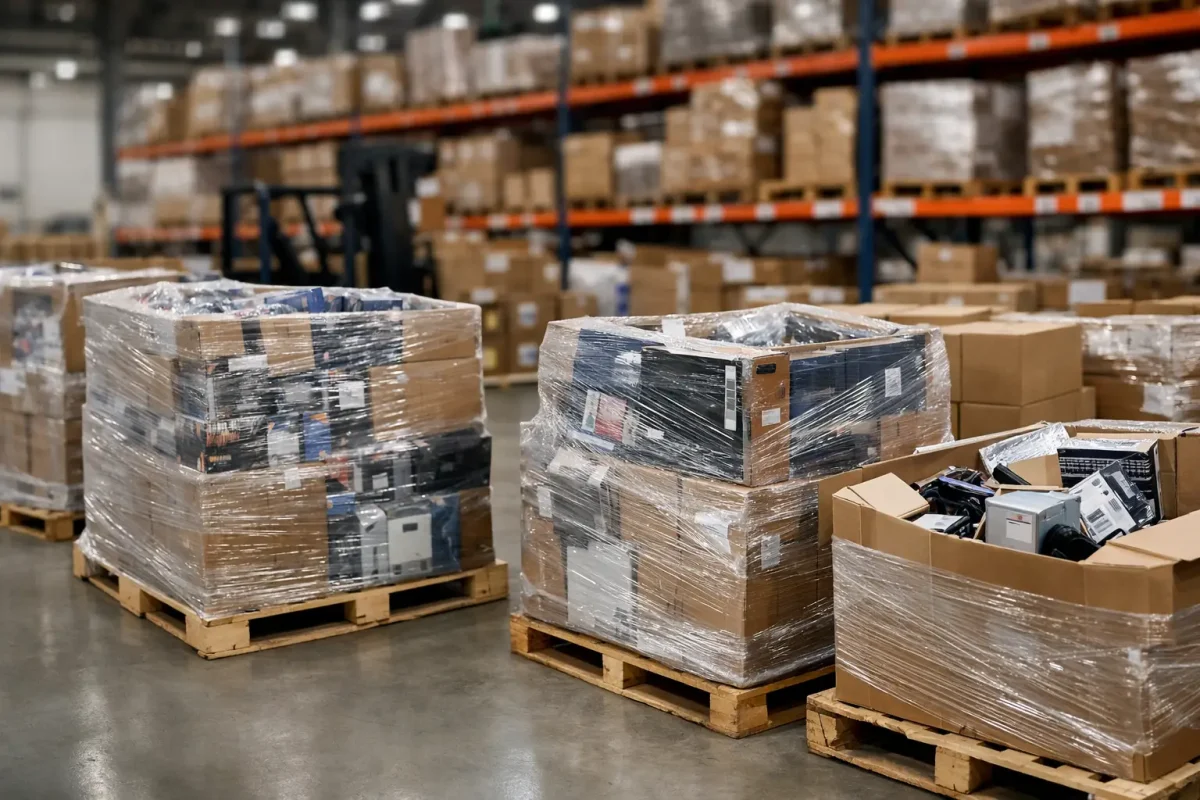
How much are liquidation pallets in most categories?
When evaluating how much are liquidation pallets, it’s crucial to consider the brands and items they contain, as this directly affects resale prices.
Many buyers often ask how much are liquidation pallets that include popular brands, as those tend to fetch higher resale values.
Most liquidation pallets fall into a broad pricing range of roughly $300 to $1,500 per pallet, but there is no single flat market price. Entry-level mixed merchandise pallets, customer returns, and general shelf-pull loads often sit at the lower end. Pallets with stronger brand recognition, better manifest visibility, or tighter product categories usually cost more because they offer more predictable resale value.
Asking how much are liquidation pallets in specific categories can also provide insights into market trends and profitability.
When considering how much are liquidation pallets, remember that electronics and tools often have a higher price point due to demand.
To accurately determine how much are liquidation pallets, one must factor in condition and grading, as they significantly impact pricing.
Many seasoned resellers know how much are liquidation pallets that are manifested versus unmanifested, influencing their purchasing choices.
Understanding how much are liquidation pallets with brand density can help resellers maximize their profits.
Buyers often wonder how much are liquidation pallets for their specific needs, considering the volume they can handle.
In the context of how much are liquidation pallets, it’s advisable to analyze the types of inventory available in the market.
For many resellers, understanding how much are liquidation pallets is essential for making informed purchasing decisions.
When learning how much are liquidation pallets, one must consider the category and condition to gauge potential returns.
A critical aspect when evaluating how much are liquidation pallets is understanding the demand for specific categories.
Many wonder how much are liquidation pallets and whether they can provide good returns based on past performance.
Understanding how much are liquidation pallets in relation to market trends can help resellers make strategic choices.
Specialists often assess how much are liquidation pallets to establish a detailed purchasing strategy relevant to their needs.
A valuable approach is to regularly evaluate how much are liquidation pallets to stay competitive in the reselling market.
Ultimately, understanding how much are liquidation pallets involves careful consideration of shipping costs along with inventory price.
A pallet of untested mixed customer returns may look cheap upfront, but it carries more processing work and more risk. On the other hand, a pallet of tools, phones, gaming products, or small kitchen appliances may cost more because buyers know the category moves faster and has stronger buyer demand. Pallets built around recognizable retail channels or popular product groups can command a premium even before freight is added.
Condition matters just as much as category. Overstock and shelf pulls usually cost more than salvage because the merchandise is closer to retail-ready condition. Open-box goods often sit somewhere in the middle. Refurbished inventory may be priced higher than salvage but lower than clean overstock, especially when the products have already been tested or restored for resale.
What affects how much liquidation pallets cost?
The biggest price driver is product type. Electronics, branded sneakers, power tools, phones, and gaming inventory often cost more than mixed apparel, toys, or lower-ticket household goods. Higher-demand categories attract more buyers, which pushes pricing up.
The next factor is condition grade. Customer returns can include functional items, damaged items, missing accessories, and packaging issues all in the same load. That uncertainty lowers price compared with overstock or shelf pulls. Salvage pallets are cheaper because the recovery rate is lower and the labor needed to sort and monetize the load is higher.
Manifested versus unmanifested inventory also changes the number. A manifested pallet usually costs more because the buyer has a better view of what is included. Unmanifested mystery pallets may offer upside, but they are priced around uncertainty. Some experienced buyers like that risk because they know how to sort mixed lots and recover value. First-time buyers often do better with clearer inventory details, even if the buy-in is a little higher.
Brand density matters too. A pallet with recognized national brands can sell faster and at better margins than a pallet full of unbranded goods. That is why two pallets with similar unit counts can have very different prices.
Then there is quantity. Buyers ordering a single pallet usually pay more per pallet than buyers purchasing multiple pallets or full truckloads. Volume changes the economics. Larger orders can improve landed cost, reduce the cost per unit, and create more room for margin.
Typical pallet price ranges by inventory type
General merchandise pallets often start near the lower end of the market, especially if they are mixed returns. These can be attractive for discount stores, flea market vendors, and local resellers who are comfortable sorting broad categories.
Tool pallets usually price higher because tools have steady resale demand and tend to perform well across marketplaces and local channels. Clean tool inventory with branded items often moves quickly.
Electronics pallets can range widely. Small consumer electronics, accessories, and home devices may be affordable, but stronger branded electronics and tested units can push pallet pricing up fast. The same is true for phones and gaming products, where buyer demand remains strong.
Sneaker pallets and branded apparel lots depend heavily on brand mix, sizing, condition, and season. If the goods are recognizable and resale-friendly, buyers will pay more because they understand the turn potential.
Kitchen appliances, toys, and home goods can sit in a useful middle range. These categories often offer a good balance between pallet cost and resale volume, especially for resellers who sell across several platforms.
The hidden cost is freight, not just inventory
Many new buyers focus only on the pallet price and ignore shipping. That is a mistake. Freight can materially change your true cost per unit, especially if you are buying across states or shipping internationally.
A pallet that looks cheap can become expensive once liftgate service, residential delivery, limited access fees, or export handling are added. For international buyers, customs, port handling, and local delivery can shift margins even further. The right way to evaluate a pallet is by landed cost, not just invoice price.
This is why experienced buyers often compare inventory and freight together before making a decision. A slightly higher-quality pallet with better recovery may outperform a cheaper pallet that arrives with heavy shipping expense and lower resale value.
In conclusion, if you’re still wondering how much are liquidation pallets, consider all factors affecting pricing and potential profit.
Cheap pallets are not always the best buy
A low entry price can be attractive, especially for first-time buyers or side hustlers working with a smaller budget. But the cheapest pallet is not always the most profitable pallet. If the load is heavily damaged, poorly sorted, or packed with low-demand products, the resale margin can disappear fast.
The stronger question is not just how much are liquidation pallets. It is how much value can you recover from the pallet after processing costs. You need to think about sell-through speed, testing time, packaging issues, missing parts, storage space, and your best resale channel.
For example, an apparel pallet may be easier to process than a pallet of electronics returns. Electronics can offer higher upside, but they also require more testing, more risk tolerance, and more detailed listing work. A mixed general merchandise pallet may produce faster local cash flow even if individual item margins are smaller.
How buyers should set a pallet budget
If you are just starting, it makes sense to buy within a budget that leaves room for freight, sorting, and slower-moving items. A lot of buyers make their first move too aggressively and spend all their capital on inventory alone. That leaves no room for relisting costs, repackaging, replacement cords, storage, or markdowns.
A practical first budget is one that lets you test the category without overcommitting. If your business already has strong resale channels for tools, appliances, clothing, or toys, buy closer to what you know how to move. Familiarity usually protects margin better than chasing the hottest pallet category in the market.
More experienced buyers can scale into multi-pallet purchases or truckloads because they understand processing time, category turnover, and buyer demand. They are not just buying cheaper inventory. They are buying consistency, volume leverage, and better cost structure.
How much are liquidation pallets from a direct wholesaler?
Buying from a direct wholesale supplier usually gives buyers better pricing logic than buying through multiple layers of resellers. When inventory comes closer to the source, pricing is often more competitive and category access is broader. That matters if you want repeat purchasing, not just a one-time gamble.
Direct suppliers can also offer more flexibility. Some buyers need a single pallet to test a category. Others need repeated pallet volume or truckload supply. Working with a supplier that handles boxes, pallets, and larger loads gives you more room to scale without changing sources every time your business grows.
That is one reason many resellers work with companies like Pallets Liquidation Worldwide. The goal is not just to buy cheap merchandise. The goal is to buy inventory at a level where resale margin still makes sense after shipping, sorting, and selling.
What should you ask before buying?
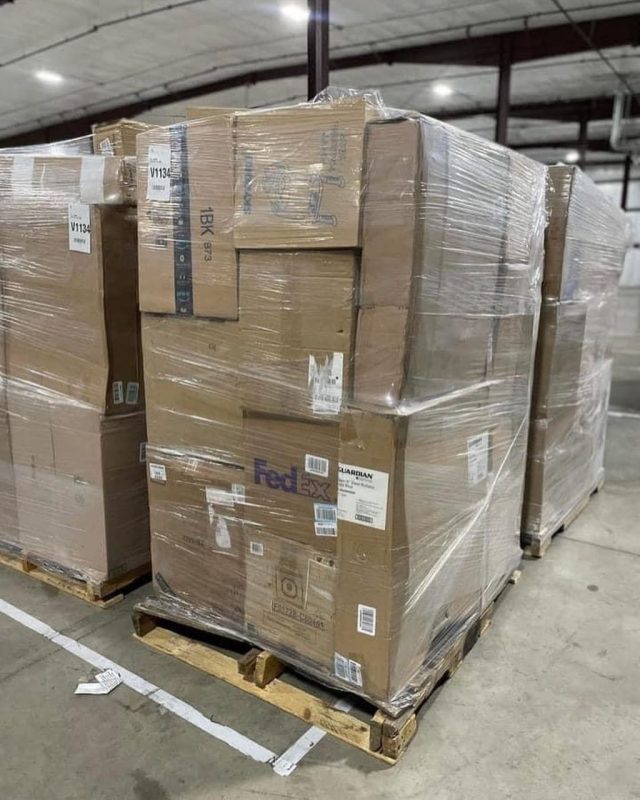
Before you commit, ask about product category, condition, manifest availability, estimated retail value, pallet size, and shipping cost. You should also ask whether the inventory is returns, overstock, shelf pulls, salvage, or refurbished. Those details shape the real cost more than any headline price.
You also want to know whether the pallet fits your selling model. A discount store operator may do well with broad mixed merchandise. An online seller may need cleaner categories and more predictable item condition. A local reseller may prefer loads with lower testing requirements and faster same-day sales potential.
The right pallet is not always the cheapest or the biggest. It is the one that matches your budget, your resale channel, and your processing capacity.
If you are comparing offers and wondering how much are liquidation pallets for your business, think like a reseller, not just a shopper. Price matters, but margin matters more. Buy the load that gives you room to work, room to resell, and room to come back for the next one.


Pingback: 7 Tips To Unlock Amazing Deals: Buy Liquidation Pallets From Target