
Style
Best Wholesale Liquidation Pallets for Resale
Jul
Margins get made on the buy, not the listing. If you are searching for the best wholesale liquidation pallets, you are really looking for inventory that gives you room to price competitively, move stock fast, and still protect profit. That means more than chasing cheap pallets. It means buying the right condition mix, the right categories, and the right load size for your sales channel.
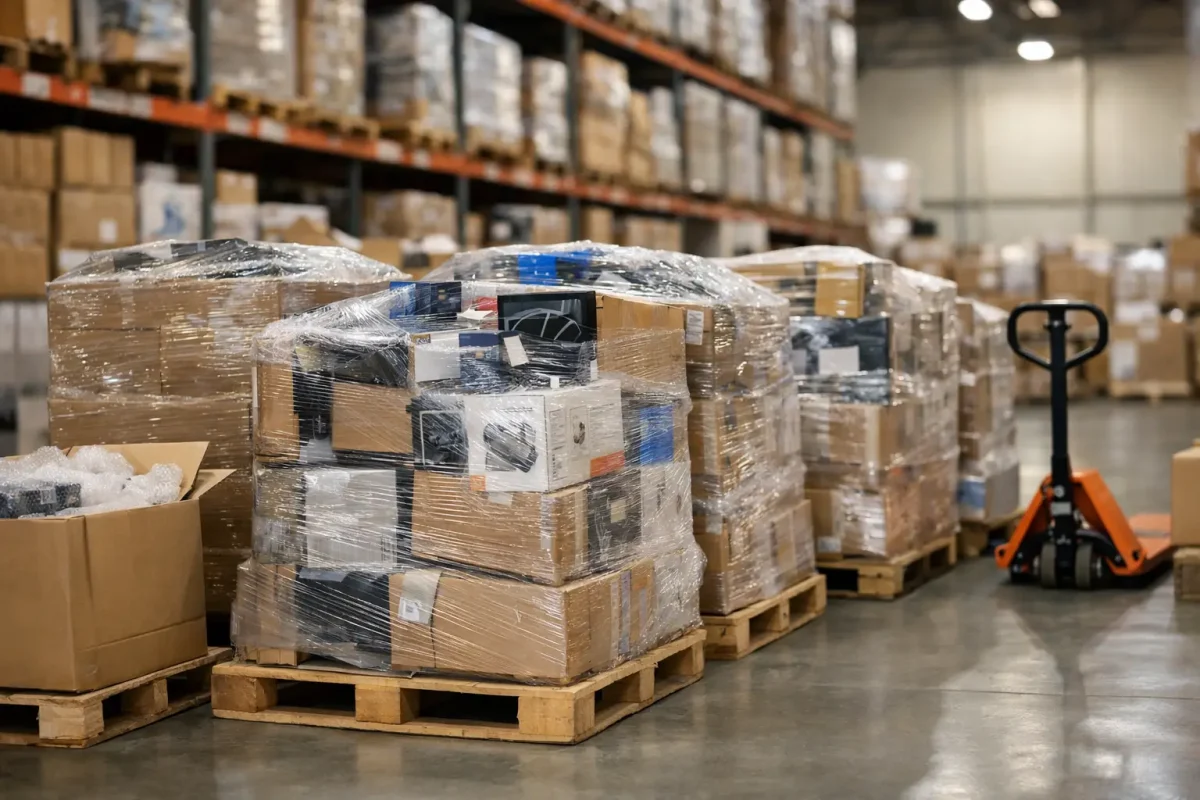
For resellers, discount stores, online sellers, and export buyers, liquidation pallets can open access to merchandise that would be difficult to source through standard wholesale. Customer returns, overstock, shelf pulls, open-box goods, refurbished units, and salvage all trade at different price points. The opportunity is real, but so is the difference between a pallet that turns quickly and one that sits in your warehouse eating cash.
What makes the best wholesale liquidation pallets
The best wholesale liquidation pallets are not always the cheapest ones on paper. A low entry price matters, but resale value, category consistency, shipping efficiency, and sell-through rate matter just as much. A pallet loaded with recognizable products in a category you already understand will often outperform a random mixed pallet with a lower upfront cost.
Condition is the first filter. Overstock and shelf-pull pallets usually offer more predictable resale because products tend to be cleaner, more complete, and easier to list. Customer returns can offer stronger discounts and better upside, but they also require more testing, grading, and labor. Open-box and refurbished inventory can sit in the middle, especially for electronics, tools, and appliances where buyers accept non-new condition if the pricing is right.
The second filter is category fit. Not every reseller should buy the same pallets. A flea market vendor may do very well with mixed household goods, toys, and tools. An e-commerce seller may prefer branded electronics, small appliances, phones, or sneakers. A discount retailer may want broad consumer categories that support impulse buying and fast turns. The pallet is only good if it matches the channel where you actually sell.
Best wholesale liquidation pallets by category
Some categories keep showing up because they offer repeat demand and broad resale appeal. That does not mean they are all equal. Each one has a different risk profile and different labor requirement.
Amazon and general merchandise pallets
These remain popular because they offer variety and strong consumer familiarity. You may see home goods, electronics accessories, kitchen items, toys, beauty products, and seasonal products in the same load. For newer buyers, this can be a practical way to test multiple product types without committing to a single category.
The trade-off is consistency. Mixed pallets can contain winners and slow movers in the same lot. If you need predictable replenishment for a store, heavily mixed loads may be harder to build around. If your business is flexible and you know how to sort and bundle, they can produce strong resale margin.
Tool liquidation pallets
Tools perform well because they sell across local marketplaces, retail stores, swap meets, and online channels. Branded power tools, hand tools, accessories, and workshop items have a wide buyer base. Even open-box or returned tools can be profitable if tested and accurately graded.
This category rewards operational discipline. You need to inspect for missing batteries, chargers, cases, and key parts. Buyers who know the difference between a complete unit and a parts-only item usually do better here than buyers who treat every tool pallet the same.
Electronics pallets
Electronics attract buyers because of high perceived value and strong resale demand. Items can include audio gear, accessories, tablets, small devices, gaming products, and home electronics. A good electronics pallet can create strong average order value, especially when products are branded and current.
The downside is obvious. Returns rates can be higher, functionality testing takes time, and condition grading must be honest. Electronics are often among the best wholesale liquidation pallets for experienced resellers, but they are not always the easiest entry point for a first order.
Sneaker and apparel pallets
Sneakers, clothing, handbags, and fashion accessories can move fast when the assortment is right. Apparel works especially well for bin stores, discount stores, live sellers, and social commerce. Sneakers and branded fashion can also produce attractive margins online.
Here, sorting matters. Sizes, style mix, seasonality, and brand recognition have a direct impact on resale speed. Buyers who already have apparel customers tend to get better results than buyers who enter the category without a clear outlet.
Kitchen appliances and home goods pallets
Small appliances, cookware, kitchen gadgets, and household products have steady mass-market demand. These categories are easier to understand than many buyers expect, and they fit well in both local and online resale.
The key issue is shipping and completeness. Bulky products cost more to move, and missing attachments can hurt resale value. Still, for store operators who need practical consumer inventory, home and kitchen pallets can be one of the safer ways to buy in volume.
Phones and gaming pallets
These are high-interest categories because demand stays strong year-round. Phones, gaming accessories, consoles, controllers, and related electronics can command good prices if tested and graded correctly.
This is not beginner inventory unless the source is clear and the manifest quality is strong. Fraud concerns, locked devices, missing components, and functionality issues can quickly change the economics. When sourced properly, though, these loads can be extremely attractive.
How to judge pallet value before you buy
A profitable pallet starts with realistic math. Buyers often focus on the MSRP number, but MSRP does not pay your bills. What matters is your expected recovery after defects, fees, shipping, labor, and slower-selling items.
Start with channel-based resale value. Ask what these products actually sell for in your market, not what they could sell for in ideal condition. Then discount that number based on the load type. Customer returns should be modeled more conservatively than overstock. Salvage should be treated as a parts, repair, or bulk-clearance play unless you already have a process for rebuilding value.
Manifest quality also matters. Some buyers prefer manifested loads because they can estimate margin more accurately. Others are comfortable with mystery pallets if the price is aggressive enough and the source is reliable. Neither approach is automatically better. It depends on your risk tolerance, your cash flow, and how quickly you need inventory to turn.
Choosing the right load size for your business
One of the biggest mistakes new buyers make is purchasing too much inventory too soon. Pallets, boxes, and truckloads serve different stages of growth. The best deal is not the biggest order. It is the order size you can process, store, and resell without choking your cash flow.
Boxes and smaller lots work well for side hustlers and first-time buyers testing a category. Pallets are the practical middle ground for many resellers because they provide volume pricing without the infrastructure demands of a full truckload. Truckloads make sense when you already have buyers, floor space, and a system to move product fast.
This flexibility matters. A supplier that offers multiple load sizes gives buyers room to scale based on results, not guesswork.
Where serious buyers find the best wholesale liquidation pallets
Serious buyers usually want direct-access wholesale, broad inventory selection, and enough category depth to keep buying consistently. That is why many resellers prefer suppliers that work at volume and source from major retail and marketplace channels. The closer you are to the supply, the better your odds of maintaining margin.
What you want from a supplier is simple. Clear inventory descriptions, practical support, category variety, flexible buying formats, and shipping capability that fits your market. If you are buying for export or for a growing domestic resale business, consistency matters more than one lucky pallet.
Pallets Liquidation Worldwide fits this model by offering pallets, boxes, and truckloads across categories that resellers actively buy, including tools, electronics, apparel, sneakers, toys, kitchen appliances, phones, gaming products, handbags, and Amazon-style general merchandise. That kind of category range matters when you want to test new product lines or build repeat buying around what already sells.
Best wholesale liquidation pallets for beginners vs experienced buyers
Beginners usually do better with categories that are easy to inspect, easy to price, and easy to move locally. General merchandise, home goods, toys, and practical household products are often better starting points than advanced electronics or phone loads. The products are easier to understand, and mistakes are usually less expensive.
Experienced buyers can take advantage of more technical categories where knowledge creates an edge. Tools, electronics, gaming, and phones often reward buyers who can test, grade, refurbish, or part out inventory. Higher upside usually comes with more labor and more risk. That is the trade.
The smart move is not to chase the hottest category. It is to buy where your business already has an advantage.
How to buy smarter and protect your margin
The buyers who stay in liquidation long term are usually disciplined. They know their sell-through rate, their average repair or prep cost, and the channels where specific products move fastest. They also understand that not every pallet needs to hit a home run. Consistent buying at workable margins beats gambling on one flashy load.
If a pallet gives you recognizable inventory, enough resale spread after all costs, and a category that fits your current buyers, that is a strong buy. If it looks cheap but creates too much sorting, testing, storage, or dead stock, it is expensive no matter what the invoice says.
The market rewards buyers who think like operators. Buy with a plan, scale with data, and stay close to inventory sources that can support repeat business. The best pallet is the one that helps you buy again next week with more cash in hand.

