
Style
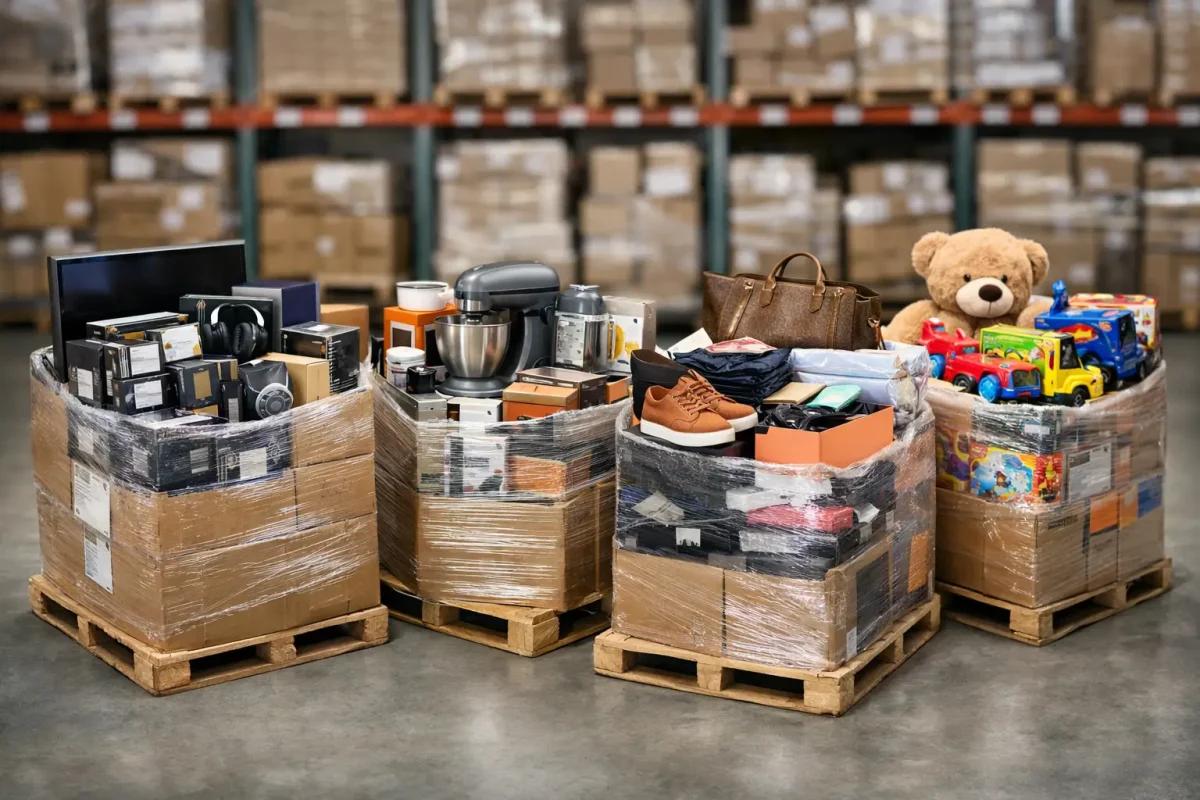
Best Liquidation Pallet Categories for Resale
Jul
A pallet that looks cheap is not always a profitable buy. The best liquidation pallet categories are the ones that match how and where you sell, how quickly you can test merchandise, and the amount of capital you can keep tied up in inventory. A flea market vendor may turn basic home goods faster than high-end electronics, while an online seller with testing capacity may earn more from phones, gaming products, or tools.
Liquidation buyers make money by buying below normal wholesale cost, sorting inventory carefully, and moving sellable units through the right channels. The category matters because each type of merchandise carries a different mix of demand, condition risk, shipping cost, return rate, and resale value. Start with categories you understand, then expand as your processing system gets stronger.
What Makes the Best Liquidation Pallet Categories?
The strongest categories have consistent buyer demand, recognizable brands or product types, practical resale channels, and enough unit value to justify the labor involved. That does not mean every pallet must contain premium merchandise. Everyday products can produce dependable cash flow when the price is right and the inventory is easy to sort.
Condition is just as important as category. Overstock and shelf-pull merchandise can be simpler to resell than customer returns, but returns may offer a lower entry price and greater upside for buyers who can inspect, clean, test, repair, or bundle products. Open-box and refurbished inventory often sit between those two options. Salvage loads can work for experienced buyers who have a repair outlet, parts buyer, or recycling plan.
Before buying, consider four practical questions:
- Can you identify and price the items quickly?
- Do you have a sales channel that fits the category?
- Can you test, clean, photograph, or repair the goods if needed?
- Will shipping, storage, and unsellable pieces leave enough room for profit?
A category is not automatically good because it is popular. It is good when it fits your operation.
Electronics Are High-Demand, High-Inspection Inventory
Electronics remain one of the best liquidation pallet categories for resellers with a clear testing process. Customers consistently look for headphones, speakers, tablets, smart home devices, accessories, computer products, small appliances, and entertainment equipment. Recognizable consumer electronics can sell well online, in local stores, and through social commerce when they are accurately described and properly tested.
The trade-off is condition risk. A pallet of customer-return electronics may include missing chargers, locked devices, damaged packaging, cracked screens, or products with functional issues. Buyers need a way to test units, separate complete items from parts inventory, and sell condition grades honestly. Shipping can also reduce margin on larger products.
For newer buyers, accessory-focused electronics and smaller devices may be easier than televisions or large appliances. They require less storage, cost less to ship, and can be listed in higher volume. For established operations, mixed electronics pallets can offer strong upside when there is staff capacity to inspect every item.
Tools Can Deliver Strong Local and Online Resale Demand
Tools are a reliable category because contractors, homeowners, mechanics, and DIY buyers purchase them year-round. Power tools, hand tools, tool sets, batteries, chargers, workshop equipment, and outdoor equipment can move through online marketplaces, discount stores, flea markets, and local pickup sales.
Tool pallets are especially attractive when inventory includes known brands, complete sets, or products with obvious retail value. Even incomplete units can have a market as parts, repair projects, or bundle additions. A battery or charger missing from one item may be usable with another product in the load, which gives experienced buyers more ways to recover value.
Check the condition type before purchasing. Shelf pulls and overstock tools may be ready for fast resale. Customer returns require functional testing, and heavy equipment may create freight or storage challenges. A buyer with local selling space may do very well with larger tools that are expensive to ship individually.
Apparel, Sneakers, and Handbags Support Fast Inventory Turnover
Clothing pallets appeal to buyers who want broad inventory at an affordable entry point. Apparel can be sold in discount stores, thrift-style outlets, live sales, online shops, flea markets, and bundle deals. It also gives resellers room to sort by season, size, style, brand, and condition.
The advantage is volume. One pallet can provide a large number of sellable units, and lightweight products are generally easier to store and ship than bulky merchandise. The challenge is that apparel requires organization. Mixed sizes, missing tags, stains, outdated styles, and seasonal timing can affect the speed of sale.
Sneakers and handbags can offer higher resale value per item, especially when buyers recognize the brands and can verify authenticity and condition. These categories reward careful inspection. Clean presentation, clear photos, accurate sizing, and honest condition notes make a major difference. If your customer base buys value fashion rather than premium labels, mixed apparel may produce a faster return than chasing a smaller number of high-ticket pieces.
Kitchen Appliances and Home Goods Fit Everyday Retail Demand
Kitchen appliances, cookware, home organization products, bedding, décor, and small household goods sell because shoppers use them every day. This category works well for discount store operators, independent retailers, online sellers, and vendors who serve local communities.
Small appliances such as coffee makers, blenders, air fryers, food storage products, and kitchen accessories can provide a good balance of recognizable demand and manageable shipping. Home goods also create bundling opportunities. A reseller can combine related items into themed kitchen, dorm, apartment, or gift packages rather than selling every low-cost unit separately.
Be selective with fragile merchandise and large appliances. Glassware, ceramics, and heavy products can produce more damage in transit and may need local sales channels. Test electrical appliances before listing them, and never assume sealed packaging means a product is complete or working.
Gaming Products, Phones, and Consumer Tech Need More Control
Gaming products and phones can produce attractive resale margins, but they are not passive inventory. Consoles, controllers, gaming accessories, smartphones, smartwatches, and related tech have strong consumer demand, particularly when products are current and fully functional.
These are categories where inspection protects your investment. Verify power, charging, screens, connectivity, serial status where applicable, account locks, accessories, and cosmetic condition. High-demand tech can sell quickly, but a single untested or locked device can consume time and reduce the expected value of the pallet.
Buyers with technical knowledge or a repair partner often have an advantage here. If you are just starting out, choose a smaller box or pallet format first. Learn how much time your team needs to process the inventory before committing to a larger mixed tech load.
Toys and Mystery Boxes Work Best for the Right Sales Model
Toys can be excellent seasonal inventory, especially ahead of the holiday period, but many toy categories sell throughout the year. Educational products, outdoor toys, collectibles, games, and branded character merchandise can perform well in discount retail, local markets, and online listings. Product safety, completeness, and packaging condition should be part of every inspection process.
Mystery boxes are different. They are best used by buyers who accept variety and want an affordable way to access assorted merchandise. They can be useful for live sellers, flea market vendors, bargain stores, and resellers who are comfortable sorting mixed goods. They are less suitable for a business that needs precise product counts, exact brands, or predictable inventory for a specific storefront.
Choose Pallets Based on Your Sales Channel
The same liquidation pallet can be a great buy for one business and a poor fit for another. Online sellers usually benefit from compact products with clear model numbers and easy shipping. Local discount stores can handle bulkier home goods, apparel, and mixed general merchandise. Flea market vendors may prioritize low-price items that customers can inspect and buy immediately. Repair-focused buyers can take on customer-return electronics and tools that others may avoid.
Start with a category that supports repeatable buying and selling. Track the purchase cost, freight, labor, sell-through rate, average selling price, returns, and recovery from damaged or incomplete items. Those numbers will show which categories truly produce margin for your business.
Pallets Liquidation Worldwide offers bulk inventory across tools, electronics, apparel, sneakers, kitchen products, phones, gaming merchandise, toys, and more, with box, pallet, and truckload options for different buying levels. The better your category choice, the easier it becomes to turn direct-access surplus inventory into steady resale stock.
Your next pallet should not be chosen only for its advertised retail value. Choose the category you can process confidently, price accurately, and sell consistently – then buy deeper as the results prove the opportunity.

