
Style
Wholesale Liquidation Pallets Clothing
Jul
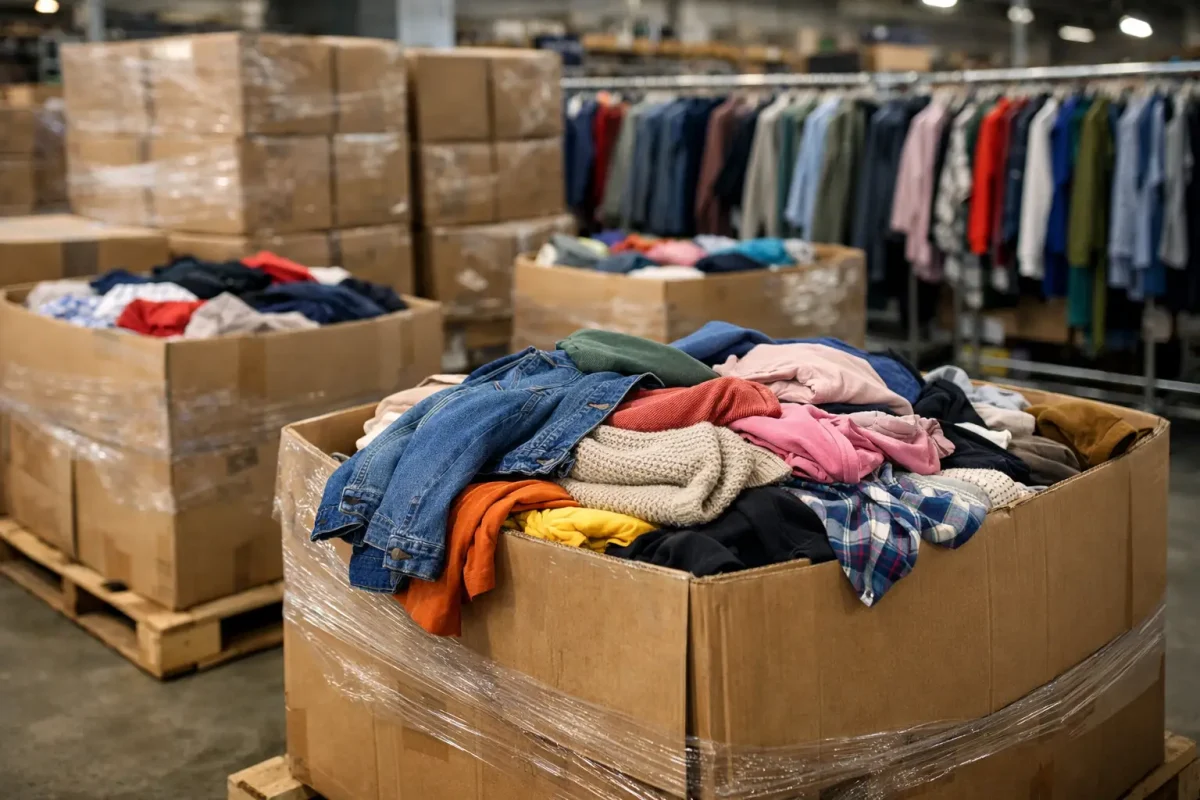
Margins get tight fast in apparel resale. One bad buy full of damaged basics or out-of-season pieces can tie up cash and slow your turnover. That is why wholesale liquidation pallets clothing continues to attract resellers, discount retailers, flea market vendors, and online sellers looking for lower entry costs and better upside on branded apparel inventory.
Clothing liquidation works when you buy with a resale plan, not just a low price in mind. A pallet can give you broad SKU variety, recognizable labels, mixed sizes, and enough unit count to stock multiple channels at once. It can also bring risk if the load is too heavily weighted toward low-demand items, damaged returns, or inconsistent assortments. The opportunity is real, but the buy has to make sense for your market.
Why wholesale liquidation pallets clothing sells
Apparel is one of the easiest categories to move when the pricing is right. People always need jeans, activewear, jackets, kids clothing, basics, shoes, and seasonal fashion. For resellers, that means inventory can be split across online marketplaces, discount stores, pop-up locations, social selling, and local bundle deals without needing specialized technical knowledge.
The other reason this category stays strong is flexibility. A single pallet can be broken down into individual listings, small lot bundles, size-based packs, or store-floor inventory. If you know your audience, mixed clothing loads can create multiple price points from one purchase. Premium branded pieces can be sold one by one, while lower-value units can be grouped for faster cash flow.
This is also a category where customer returns and shelf pulls can still carry strong resale value. Unlike highly technical electronics, clothing usually does not require testing beyond inspection, sorting, and condition grading. That keeps processing simpler for many buyers and makes pallets attractive for both first-time and experienced liquidation customers.
What is included in wholesale liquidation pallets clothing
Most clothing pallets are built from surplus inventory streams such as customer returns, overstock, open-box apparel assortments, shelf pulls, and in some cases salvage goods. The exact mix depends on the source retailer, the load format, and the grade of the merchandise.
Returns can include items with damaged packaging, missing tags, minor wear, or pieces that were simply sent back after fitting-room use or online try-on. Overstock often gives buyers cleaner inventory, but the styles may be older or tied to a past season. Shelf pulls can be a strong middle ground because they may include store-ready goods removed for resets, packaging issues, or end-of-season clearing.
A clothing pallet may contain men’s, women’s, and kids categories, or it may be more targeted around denim, activewear, dresses, outerwear, intimates, footwear, or accessories. Some buyers prefer broad mixed loads for variety. Others want more focused pallets because targeted inventory is easier to price and market. Neither option is automatically better. It depends on whether you sell in a general discount environment or a more defined niche.
How buyers make money on clothing pallets
The profit model is simple. You buy low in bulk, sort carefully, and sell through the right channel at different price points. But the difference between a good pallet and a weak pallet usually comes down to process.
Strong apparel resellers do not treat every item the same. They separate new-with-tags units from open-box or customer return pieces. They identify fast-moving basics versus slower fashion items. They decide early what belongs on eBay, what fits a local store rack, what should be bundled for live selling, and what is best moved in clearance packs. That sorting strategy protects margin.
Seasonality matters too. Winter jackets bought in spring may still be profitable, but they can sit longer. Kids clothing often turns faster than formalwear in some markets. Branded athletic apparel may outperform generic fashion online, while local stores may do well with value basics and family bundles. The pallet is only part of the equation. Your resale channel determines what kind of load gives you the best return.
What to check before you buy
Price matters, but pallet quality matters more. A cheap load is not a good deal if too much of the inventory is unsellable, mismatched, heavily used, or too difficult to move. Buyers should focus on the condition category, estimated unit count, merchandise source, category mix, and whether the load is manifest or unmanifest.
Manifested loads give you a better view of what is included. That can help with planning and margin forecasting. Unmanifested loads can sometimes offer more upside, especially for experienced buyers comfortable with mixed surprises, but they carry more uncertainty. If you are newer to liquidation, more visibility often means fewer mistakes.
You should also think about your labor cost. Clothing pallets require time for sorting by size, style, brand, and condition. If your operation is small, a highly mixed pallet may create more work than expected. That does not make it a bad buy. It simply means your process and staffing should match the type of inventory you order.
Wholesale liquidation pallets clothing for new and experienced resellers
For first-time buyers, clothing is often one of the more approachable liquidation categories because the inventory is familiar and easier to inspect than many hard goods. A smaller pallet or mixed apparel lot can be enough to test demand, pricing strategy, and your ability to process units quickly. Starting with a manageable quantity is usually smarter than overbuying a truckload before you understand your local or online market.
For experienced buyers, the category becomes a scale play. If you already know your sell-through rates, ideal brands, average return rates, and best-performing sizes, larger volume can make sense. More inventory gives you more consistency for repeat listings, more room for bundle pricing, and better leverage across multiple channels.
That is where a direct bulk supplier matters. Access to boxes, pallets, and truckloads gives buyers room to grow without changing sourcing models. A side-hustle seller can start with pallet volume, while a discount store operator can step into larger orders as demand increases.
Choosing the right pallet for your business
Not every reseller should buy the same clothing load. A local discount store may want mixed family apparel because variety helps fill racks and bring repeat foot traffic. An e-commerce seller may prefer branded activewear, jeans, or footwear where single-item listings can justify more time per unit. Flea market sellers often do well with value-focused mixed clothing, jackets, kids apparel, and bundle-ready basics.
International buyers also need to think differently than domestic pallet buyers. Product mix, shipping cost, import handling, and local market preference can change what counts as a profitable load. Lightweight apparel can be attractive for export compared with heavier categories, but freight and customs still affect total landed cost. The right pallet is the one that leaves enough room for margin after every expense is counted.
This is why many serious buyers focus less on advertised discount percentages and more on practical resale math. They look at average cost per piece, likely recovery rate, expected defects, and how quickly the inventory can turn into cash. Fast turnover can beat a higher theoretical margin if it keeps capital moving.
Supply consistency matters as much as price
A lot of buyers spend too much time hunting the absolute lowest pallet price and not enough time thinking about repeat supply. If clothing resale is part of your business model, consistency matters. You need access to enough inventory to replenish listings, refill store racks, and support growth when a channel starts performing well.
That is where working with an established wholesale source helps. Pallets Liquidation Worldwide serves buyers who want direct-access surplus inventory without the extra markup of a middleman. With broad category availability, flexible load sizes, and options that fit both newer resellers and larger volume buyers, the goal is straightforward – give buyers inventory they can work with and enough purchasing flexibility to keep their operation moving.
Wholesale liquidation pallets clothing can build real inventory flow
The best clothing pallets are not just cheap merchandise. They are usable inventory with resale paths. When the load matches your market, your channel, and your processing capacity, apparel liquidation can give you steady product flow at a cost structure that supports margin.
That is the real advantage. You are not paying traditional wholesale prices for perfect case-pack inventory. You are buying into surplus, returns, shelf pulls, and overstock with the expectation that smart sorting and smart selling create the spread. Some pallets will be cleaner than others. Some categories will move faster than expected. The buyers who win are the ones who buy with discipline, move inventory quickly, and keep enough capital free for the next opportunity.
If you are building a resale business, clothing pallets can give you room to test, scale, and diversify without needing a huge upfront budget. Buy with clear numbers, stay realistic about condition, and look for inventory sources that can grow with your business.

