
Style
Electronics Pallets for Resellers That Move
Jul
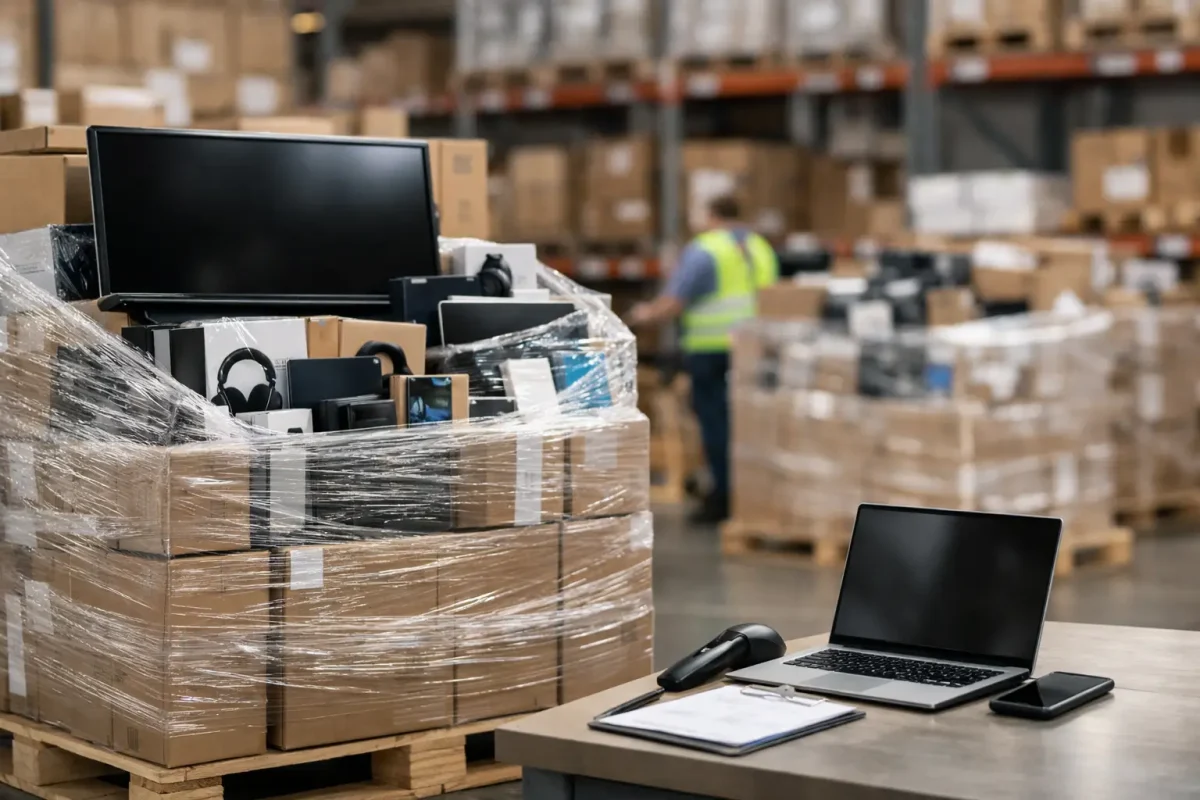
One good electronics pallet can stock an entire week of listings, refill a discount store shelf, or give a growing reseller enough volume to test multiple sales channels at once. That is why electronics pallets for resellers stay in demand – they offer recognizable products, strong resale appeal, and room for margin when the buy price makes sense.
For resellers, electronics are not just another category. They move fast when the mix is right. Customers understand phones, tablets, gaming accessories, headphones, smart home devices, small gadgets, chargers, speakers, and computer accessories without much education. That familiarity matters because it shortens the path from inventory purchase to resale.
Why electronics pallets for resellers stay profitable
Electronics sit in a strong resale position because demand is broad and constant. A clothing pallet may depend on size runs, seasonality, or style trends. Electronics usually sell on function, brand recognition, replacement needs, gifting, and impulse buying. Someone may wait on a fashion purchase, but they rarely wait long to replace earbuds, a charger, a router, or a game controller.
That does not mean every pallet is equal. Profit depends on condition, manifest quality, product mix, test rate, and your sales channel. A pallet loaded with current accessories and open-box items can perform very differently from a pallet heavy in untested returns or salvage units. Resellers who understand that difference usually buy better, price better, and turn inventory faster.
The other advantage is flexibility. Electronics can be sold individually, bundled, repaired, parted out, or grouped by use case. A mixed pallet can support marketplace listings, local pickup, live selling, flea market tables, and discount retail. If you are building a repeat buying business, that kind of flexibility matters.
What you actually get in electronics pallets
Most electronics liquidation pallets are built from surplus streams such as customer returns, overstock, shelf pulls, open-box goods, refurbished stock, and salvage. The exact mix changes by load, source, and grade. That is where experienced buyers pay attention.
Customer returns can be highly profitable, but they also bring more variability. Some units are in near-new condition with damaged packaging. Others are missing cables, remotes, or inserts. Some are simply buyer’s remorse. Others have functional issues. The opportunity is in buying at a low enough cost to absorb that range while still protecting margin.
Overstock and shelf pulls usually offer a cleaner path for resale because packaging and product condition can be stronger, but they often cost more than mixed returns. Refurbished inventory can also be attractive when the testing and grading process is reliable. Salvage is a different play entirely. It can work for parts buyers, repair businesses, or export channels, but it is not the right fit for every reseller.
A practical buyer looks beyond the category label and asks what kind of electronics are inside. A pallet with branded accessories may be easier to process than one loaded with mixed consumer devices needing full testing. A pallet of compact items may also ship and store better than bulky electronics with higher breakage risk.
How resellers should evaluate electronics pallets
The first number to look at is not the retail value. It is your total landed cost. That includes pallet price, shipping, handling, possible testing labor, replacement parts, packaging, platform fees, and expected loss rate. A pallet can look cheap and still perform poorly if too much of the inventory is incomplete or low-demand.
The second factor is speed. Fast-turning inventory often beats higher theoretical margin. If a pallet gives you products you can list quickly and sell consistently, your cash cycles improve. That matters for small and mid-sized buyers who need to keep capital moving instead of tying it up in slow stock.
The third factor is sales-channel fit. If you sell online, condition notes, accessories, and brand visibility are key. If you sell in a storefront or flea market, you may have more room to move value-priced electronics with cosmetic wear. If you export or sell in bulk lots, your buying criteria may be different again. Good resellers do not ask whether a pallet is good in general. They ask whether it is good for their business model.
Best inventory types in electronics pallets for resellers
The strongest electronics pallets for resellers usually contain products with broad appeal, low return friction, and easy replacement demand. Accessories are often underrated here. Chargers, cables, earbuds, speakers, keyboards, mice, webcam units, and gaming accessories can turn quickly because they are affordable and familiar.
Small consumer electronics can also perform well when the condition is manageable. Tablets, smart home devices, streaming products, wearables, and portable audio tend to attract buyers across multiple marketplaces. Phones can offer strong upside, but they require tighter grading, IMEI checks where relevant, and more disciplined testing.
Gaming products stay attractive because demand crosses age groups and selling channels. Controllers, headsets, docks, and compatible accessories usually have a steady resale audience. Computer accessories are another dependable area, especially for resellers who bundle products or sell to practical buyers rather than trend shoppers.
The key is balance. A pallet with a mix of recognizable brands, useful products, and manageable processing work usually outperforms a pallet built around difficult, high-failure items unless you already run a repair-heavy operation.
Common mistakes buyers make
The biggest mistake is buying only on advertised savings. A high original retail number does not guarantee good resale. If half the pallet needs troubleshooting, cleaning, missing-part replacement, or deep discounting, your margin disappears fast.
Another common mistake is buying the wrong grade for the wrong channel. New resellers often chase the lowest entry price and end up with inventory that takes too much time to sort. More experienced buyers know that paying a bit more for cleaner condition can produce better net profit because products move sooner and require less work.
Many buyers also underestimate logistics. Electronics need safe storage, organized testing, accurate labeling, and clean packing. If your operation is small, pallet size and item mix matter. It is often smarter to start with manageable pallet quantities, learn the category, and scale once you know your true recovery rates.
Building a repeat resale model with electronics pallets
The real value is not one lucky pallet. It is building a repeatable sourcing model. When resellers buy electronics consistently, track sell-through, and understand condition outcomes by source type, they stop gambling and start buying with discipline.
That means recording what sold fast, what had the highest defect rate, which brands drew the most attention, and which items caused returns. Over time, patterns appear. Maybe accessories outperform larger devices. Maybe open-box inventory creates the best labor-to-margin ratio. Maybe mixed phone lots only work when acquired below a specific threshold. That data helps you buy smarter on the next order.
Reliable supply also matters. A reseller cannot build momentum if inventory quality swings too wildly or load sizes do not match budget. That is why direct wholesale access is valuable. Buyers want a supplier that offers variety, clear load options, and enough consistency to support repeat ordering. Pallets Liquidation Worldwide serves that need by offering bulk surplus categories in pallet, box, and truckload formats for buyers who want scale without middleman pricing.
Choosing the right load size for your budget
Not every reseller needs a truckload to grow. In fact, many profitable buyers start by learning pallet economics first. A single pallet can be enough to test processing time, average recovery, and demand in your channel. Once those numbers are clear, expanding into multiple pallets or larger wholesale formats becomes a business decision instead of a guess.
Budget should also match your processing capacity. If you can only test and list 20 to 30 units a day, buying too much too soon can create backlog and dead cash. Smaller, better-targeted buys often beat oversized orders that sit untouched. The right move is the one that keeps inventory flowing and money circulating.
International buyers should think the same way. Global shipping can still make electronics attractive, but freight, customs, and market preferences need to be part of the buy decision from the start. Certain electronics categories travel and resell better than others, especially compact items with broad compatibility.
What strong electronics pallet sourcing looks like
A strong buy starts with direct access, realistic pricing, and inventory that matches how you actually resell. It is not about chasing perfect loads. It is about finding pallets with enough upside, enough demand, and enough predictability to support repeat profit.
That is why serious buyers focus on source quality, product mix, and condition type before they focus on hype. Electronics can be one of the best liquidation categories for both new and experienced resellers, but only when the numbers work after shipping, testing, and resale effort. The more disciplined your buying process becomes, the easier it is to spot pallets that are built for turnover instead of headaches.
If you are looking to grow with inventory people already know how to buy, electronics remain one of the strongest categories on the floor – provided you buy with margin in mind and treat every pallet like part of a bigger resale system, not a one-time shot.

