
Style
Sneaker Pallets for Resale: What to Buy
Jul
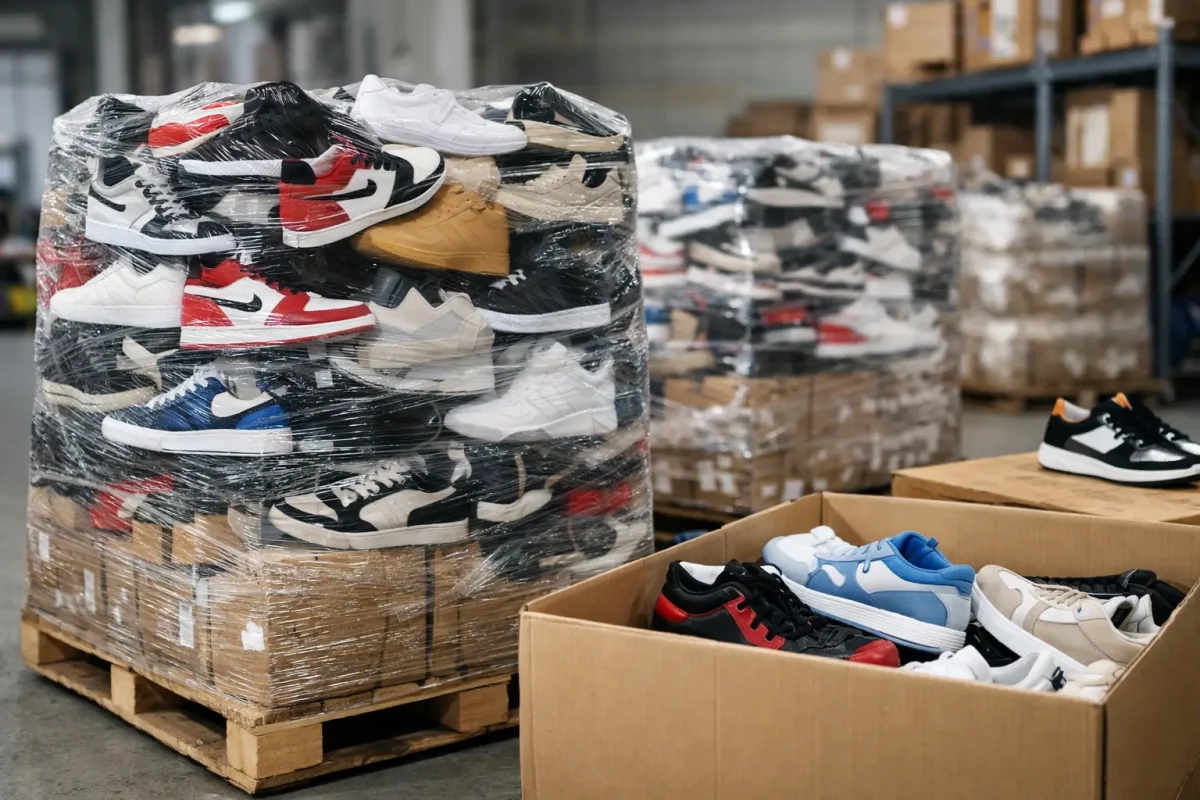
A pallet of mixed sneakers can look like easy money until you open it and realize the real profit is in what you know before you buy. For resellers, sneaker pallets for resale can be a strong inventory play because demand stays active across online marketplaces, local stores, flea markets, and social selling. But margins do not come from luck. They come from buying the right load type, understanding condition, and matching inventory to your sales channel.
Sneakers move differently than many liquidation categories. Buyers recognize the product fast, price comparison is easy, and certain brands or styles can sell almost immediately if the condition and size mix make sense. That creates real opportunity, especially for small to mid-sized resellers who want branded inventory without paying traditional wholesale rates. It also means bad buying decisions show up fast. If the pallet is overloaded with low-demand sizes, heavily worn returns, or mismatched pairs, your time and margin both take a hit.
Why sneaker pallets for resale attract buyers
Sneakers sit in a sweet spot for resale. They are easier to photograph than electronics, easier to test than appliances, and easier to move than many bulky categories. A single pallet can also support more than one selling strategy. Cleaner pairs can go to e-commerce. Budget pairs can move locally. Open-box or shelf-pull inventory can work well for discount retail and outlet-style setups.
There is also a broad customer base. Parents shop for kids, workers need everyday shoes, collectors chase recognizable brands, and value-driven buyers want a better price than retail. That variety matters because it gives resellers more than one exit path. If one platform slows down, inventory can still move somewhere else.
The other reason this category stays attractive is flexibility. Some buyers want a few dozen pairs to test the market. Others want repeated pallet volume to stock a storefront or build a steady online catalog. That makes sneakers a practical category for both first-time liquidation buyers and experienced bulk purchasers.
What is usually inside sneaker pallets for resale
Not all sneaker pallets are built the same. One load may be mostly customer returns. Another may be shelf pulls, overstock, open-box goods, or a blend. That difference affects resale speed, labor, and average selling price.
Customer return pallets can offer strong upside when the shoes are lightly used, tried on, or simply sent back for sizing issues. They can also require more grading work. You may find damaged boxes, missing insoles, dirt on soles, or pairs that need cleaning before listing. Overstock and shelf-pull loads are often more attractive for resellers who want faster turnaround and less prep, but pricing may reflect that cleaner condition.
A good buyer pays attention to more than just the category label. Ask what percentage is new, open-box, or returned. Ask whether pairs are matched, whether boxes are included, and whether there is any manifest or general condition range. In liquidation, details matter because two sneaker pallets priced close together can produce very different outcomes.
How to evaluate profit before you buy
The mistake many new buyers make is looking only at the number of pairs. A pallet with 80 pairs is not automatically better than one with 45. If the 80-pair load contains lower-demand brands, heavy wear, or poor size distribution, your cost per sellable pair can end up worse.
Start with your total landed cost. That includes pallet price, shipping, marketplace fees if you sell online, cleaning or prep costs, and expected loss from pairs that will not sell well. Then estimate your likely average selling price based on condition and sales channel, not on best-case retail comparison.
For example, a clean mixed-brand pallet with mostly wearable condition may deliver better margin than a cheaper salvage-heavy load because your labor is lower and your sell-through is faster. Speed matters. Money tied up in slow inventory is margin lost in another form.
Size mix is another major factor. Balanced men’s, women’s, and kids’ sizing can help if you sell across multiple channels. But if your main customer base is local and mostly buying adult footwear, a pallet overloaded with limited-size children’s shoes may slow your turnover. Profit is not just what the inventory could sell for. Profit is what your market will actually buy.
Best sales channels for sneaker pallet inventory
Where you sell should shape what you buy. If your business is built around eBay, Facebook Marketplace, Whatnot, flea markets, or discount retail, each channel favors a different type of sneaker inventory.
Online marketplaces usually reward cleaner condition, recognizable brands, and accurate pair-by-pair listing. You may get stronger prices, but you also invest more time in photos, sizing checks, and customer service. Local sales channels can move value pairs faster with less listing effort, especially if buyers can inspect condition in person. Discount store operators often do best with volume-priced inventory that gives customers visible savings without requiring premium presentation.
This is why experienced buyers rarely ask only, “How cheap is the pallet?” The better question is, “How well does this pallet fit the way I already sell?” Cheap inventory that does not match your business model is expensive in practice.
What separates a strong pallet from a risky one
A strong sneaker pallet usually has three things working in your favor: recognizable demand, manageable condition, and usable assortment. You do not need every pair to be premium. You need enough sellable units at the right price points to create margin across the load.
Risk shows up when information is too thin or the load is too far from your comfort zone. A heavily mixed salvage pallet can work for a buyer with cleaning staff, repair knowledge, and discount outlet space. It is a poor fit for a newer reseller counting on quick online flips. In the same way, a pallet with high-end labels sounds attractive, but if authenticity, missing components, or condition grading are unclear, the load can create more problems than profit.
This is why direct access matters. Buyers need clear load descriptions, condition categories, and support before they commit capital. At Pallets Liquidation Worldwide, the advantage for resellers is straightforward – broad access to liquidation formats, flexible buying quantities, and inventory built for wholesale resale economics rather than one-off retail buying.
How new buyers should approach sneaker pallets for resale
If you are just getting started, do not buy like a large operator on your first order. Start with a pallet size and condition range you can process without getting buried. A manageable mixed load teaches you more than a truckload mistake ever will.
Focus on inventory you can identify, clean, sort, and price with confidence. Keep your first purchase close to your actual sales channel. If you sell mostly local, buy practical everyday footwear that can move on value. If you already run an online store with strong listing systems, you can take on a more varied load because you have the process to separate winners from slower pairs.
It also helps to build your pricing model before the pallet arrives. Decide your quick-sale price, your standard listing price, and your bulk-clearance price for lower-demand pairs. That kind of discipline keeps inventory moving and prevents dead stock from eating your storage space.
Common mistakes that hurt margin
The fastest way to lose money is to buy based on excitement instead of math. Sneaker liquidation works best when buyers stay realistic. Not every recognizable brand carries the same resale demand. Not every return is lightly used. Not every pallet with a low upfront price produces a strong net return.
Another mistake is underestimating labor. Cleaning, matching, photographing, listing, packing, and answering buyer questions all cost time. If your operation is small, a pallet that needs extensive prep may block cash flow longer than expected. Some buyers make more money with cleaner, slightly higher-cost loads because they can turn them faster.
Shipping is another margin trap, especially for international buyers or resellers ordering outside their usual lane. Freight cost can change the economics quickly, so landed cost should always come before projected profit.
Buying for repeat business, not one lucky score
The resellers who do well with sneakers usually are not chasing one perfect pallet. They are building a repeatable buying system. They learn which load types fit their customer base, which conditions create the best balance of cost and effort, and which brands move best at their chosen price points.
That approach is what turns liquidation into a business instead of a gamble. A consistent buyer can scale from testing a pallet to ordering larger volume once the numbers make sense. The goal is not just to find inventory. The goal is to secure inventory that you can buy again with confidence.
Sneaker pallets for resale can be a profitable category when you treat them like a business asset instead of a mystery box. Buy with clear expectations, price for your real market, and stay focused on turnover as much as margin. The best pallet is not the one that looks impressive on paper. It is the one that fits your operation and puts cash back into your next order.

