
Style
Amazon Liquidation Pallets Wholesale Guide
Jul
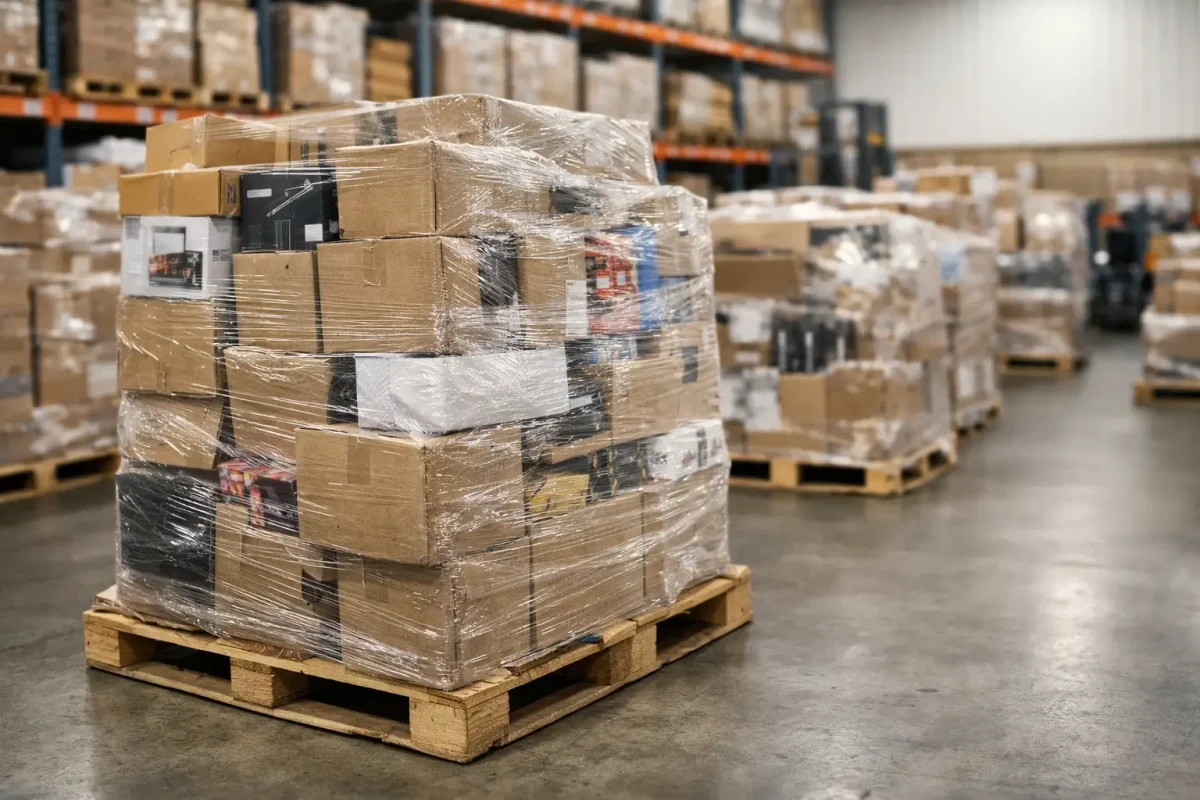
One pallet can change your weekly sales if the buy is right. That is why amazon liquidation pallets wholesale keeps pulling in resellers, discount store owners, and online sellers looking for lower inventory costs and better margin room than standard wholesale usually offers.
The appeal is simple. Amazon returns, overstock, open-box goods, shelf pulls, and mixed general merchandise can be bought in bulk at pricing that gives room to reprice, bundle, part out, or move volume fast. But this is not a shortcut business. The money is made in how you source, what condition you accept, how well you sort inventory, and whether your buying strategy matches your resale channel.
Why amazon liquidation pallets wholesale attracts serious buyers
Traditional wholesale often gives you clean case packs, fixed SKUs, and tighter pricing. Liquidation is different. You are buying opportunity with variation built in. That variation is exactly why many experienced buyers prefer it.
A single pallet can include recognizable consumer categories that move across multiple channels, from local discount retail to flea markets to eBay and Facebook Marketplace. If your business depends on finding inventory below regular wholesale, liquidation can open that door. It also gives newer buyers a way to start smaller with one pallet, then scale to multiple pallets or truckloads once they know their numbers.
For many resellers, the biggest advantage is access. Instead of fighting for closeout deals one lot at a time, wholesale liquidation suppliers provide a steady path into bulk inventory. That matters if you are trying to build repeatable sales, not just score a one-time flip.
What you are really buying in these pallets
The phrase Amazon pallet sounds simple, but pallet composition can vary a lot. Some lots are heavy on customer returns. Others lean toward overstock, open-box, shelf pulls, or mixed-condition goods. There are also salvage and refurbished loads, which can make sense for certain buyers but not for every business model.
Customer returns can offer strong resale upside, especially in categories like home goods, kitchen items, small electronics, tools, toys, and apparel. But they also come with testing, missing parts, packaging damage, and occasional non-working units. Overstock tends to be more predictable, though pricing may be higher because the condition is usually better.
This is where margins are made or lost. A pallet with a lower upfront cost is not always the better buy if half the units need extra labor or cannot be sold through your main channel. A more consistent lot at a slightly higher price may produce faster turnover and less waste.
Condition matters more than category alone
Many first-time buyers focus only on the product mix. Category matters, but condition codes matter just as much. A pallet of electronics returns can look attractive on paper, yet require testing time, replacement cords, battery checks, or software resets. A mixed home goods pallet may have lower average ticket prices, but it can be easier to list, easier to inspect, and quicker to move.
The right buy depends on your operation. If you have staff, storage, and testing capacity, you can often work more aggressively with return-heavy inventory. If you want faster turns and simpler processing, cleaner overstock or shelf-pull loads may be the smarter move.
How to buy amazon liquidation pallets wholesale without guessing
The best buyers do not buy with hope. They buy with a plan. Before placing any order, you need to know your resale channel, your average target margin, your labor capacity, and how much condition risk your business can absorb.
Start with category selection. Choose product types you already understand or sell well. If your customer base knows you for tools, small appliances, or apparel, stay close to that lane at first. The learning curve on mixed merchandise is real, and broad variety only helps if you can sort and move it efficiently.
Then look at load size. Boxes may suit test buyers. Pallets work well for growing operations. Truckloads make sense when you already have a process for receiving, sorting, and moving large volumes. Bigger is not always better. Sometimes a smaller, targeted pallet produces a cleaner return than a large mixed load that ties up cash and labor.
Manifested versus unmanifested inventory is another decision point. Manifested lots offer more visibility into expected contents. That can help with planning and pricing. Unmanifested lots can create stronger upside when bought right, but they also require more risk tolerance. If you are new, transparency usually beats mystery.
Questions smart buyers ask before ordering
You want clarity on condition, category, load format, shipping terms, and whether the inventory is manifested. You also want realistic expectations about variance. No reputable liquidation seller should present returns inventory as uniform or guarantee that every unit is resale-ready.
A serious wholesale buyer also asks how the goods are packed, whether the pallet is mixed or category-specific, and what support is available during the buying process. Good supply access is not just about price. It is about getting enough information to make a commercial decision with confidence.
Best resale channels for liquidation inventory
The value of amazon liquidation pallets wholesale depends on where you plan to sell. A discount store can move lower-ticket mixed goods quickly. An e-commerce seller may do better with items that are easy to photograph, easy to ship, and easy to test. A flea market vendor might want fast-moving impulse categories with visible value and low prep time.
There is no single best channel. It depends on your customer, your local market, and how much time you want to spend per item. Electronics can bring higher resale numbers, but they usually require more handling. Apparel can move in volume, but sorting sizes and styles takes time. Home goods and kitchen items often sit in a good middle ground because they are familiar, practical, and broad in appeal.
Many buyers get the best results by splitting inventory across channels. Higher-value items go online. Everyday goods go to local retail or market tables. Lower-grade pieces may be bundled, discounted, or sold in bulk. That layered approach helps recover more value from the full pallet, not just the obvious winners.
Margin is not just about the buy price
Low cost matters, but profit is shaped by more than invoice price. Shipping, unloading, storage, testing, cleaning, repackaging, listing time, and dead stock all affect your real margin. Buyers who ignore those costs usually overestimate profit.
This is why direct wholesale sourcing matters. When you buy through a supplier built around bulk liquidation, you reduce the chance of extra middleman markup cutting into your spread. You also gain access to different load sizes, which lets you buy according to your budget and turnover rate instead of forcing a one-size-fits-all purchase.
For many resellers, flexibility is as important as price. A business that can start with pallets and later move into larger volume has more room to grow without constantly changing suppliers. That consistency helps when you are trying to build a repeatable inventory pipeline.
Who should buy these pallets and who should wait
If you already resell online, run a discount retail operation, supply export buyers, or work local secondary markets, this inventory can fit well. It is especially useful for buyers who understand how to sort mixed goods and are comfortable turning irregular merchandise into cash flow.
If you expect every unit to be perfect, or you do not have space to receive and process bulk inventory, it may be better to wait. Liquidation rewards operational discipline. It is not passive. The sellers who win are the ones who know their market, stay strict on costs, and buy inventory they can actually move.
That is also why supplier choice matters. You want broad category access, straightforward communication, and load options that match your buying stage. Pallets Liquidation Worldwide serves that model by offering boxes, pallets, and truckloads for buyers who need direct access to resale inventory without extra layers in the middle.
What a strong buying strategy looks like
A strong strategy is not chasing the cheapest pallet every time. It is building a repeat process. Buy categories you understand. Track your recovery rate. Learn which condition ranges work best for your channel. Increase volume only when your turnover and labor can support it.
The smartest buyers also stay realistic. Some pallets will outperform. Some will come in average. The goal is not perfection on every load. The goal is consistent buying discipline across enough inventory to create dependable margin.
If you are serious about growth, amazon liquidation pallets wholesale can become more than a side purchase. It can become a core inventory lane that supports local resale, e-commerce, export, and discount retail at the same time. The opportunity is real for buyers who treat it like a business, not a gamble.
The next good pallet is not just stock on a warehouse floor. It is a chance to buy lower, sell smarter, and build a stronger resale operation one load at a time.

